CLINICAL PRACTICE
I practice Dance-Movement Therapy in a specialized clinic for psychiatry, psychotherapy and psychosomatic medicine in Germany, working with both inpatients and outpatients. The individuals I work with, present a wide range of mental health conditions, and my therapeutic approach is continuously adapted to each person’s diagnosis, needs, personal history and lived experience.
Dance-Movement Therapy enhances psychological resilience, supporting individuals in reconnecting with their inner resources and strengths, improving their interpersonal functioning, and strengthening protective factors and support networks. As healing and empowerment are gradual and long-term processes, an integrative therapeutic approach can offer an effective framework for supporting each individual’s unique therapeutic journey.
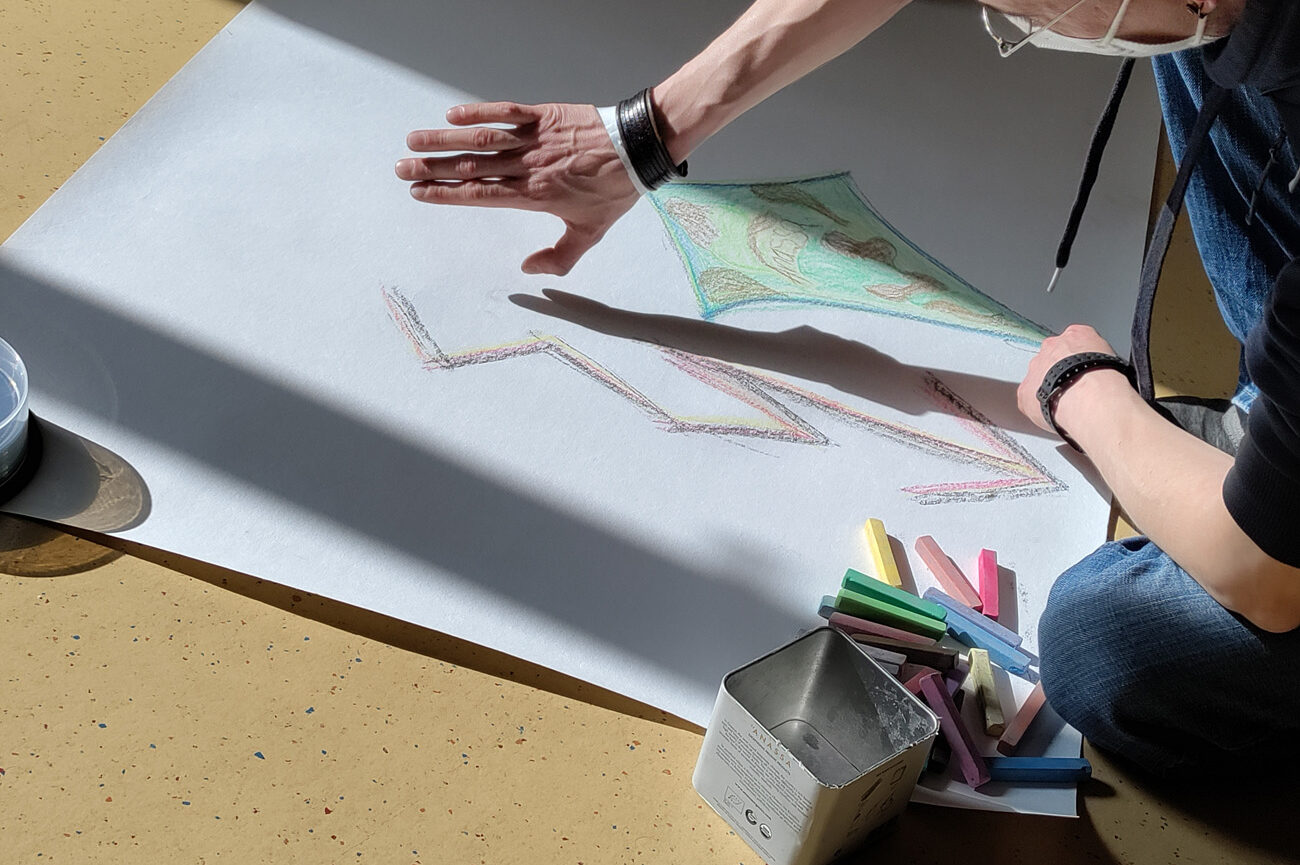
In my clinical practice, I focus on cultivating embodied presence, supporting nervous system regulation, and facilitating the creative exploration of inner experience. I draw on a combination of experiential approaches, including:
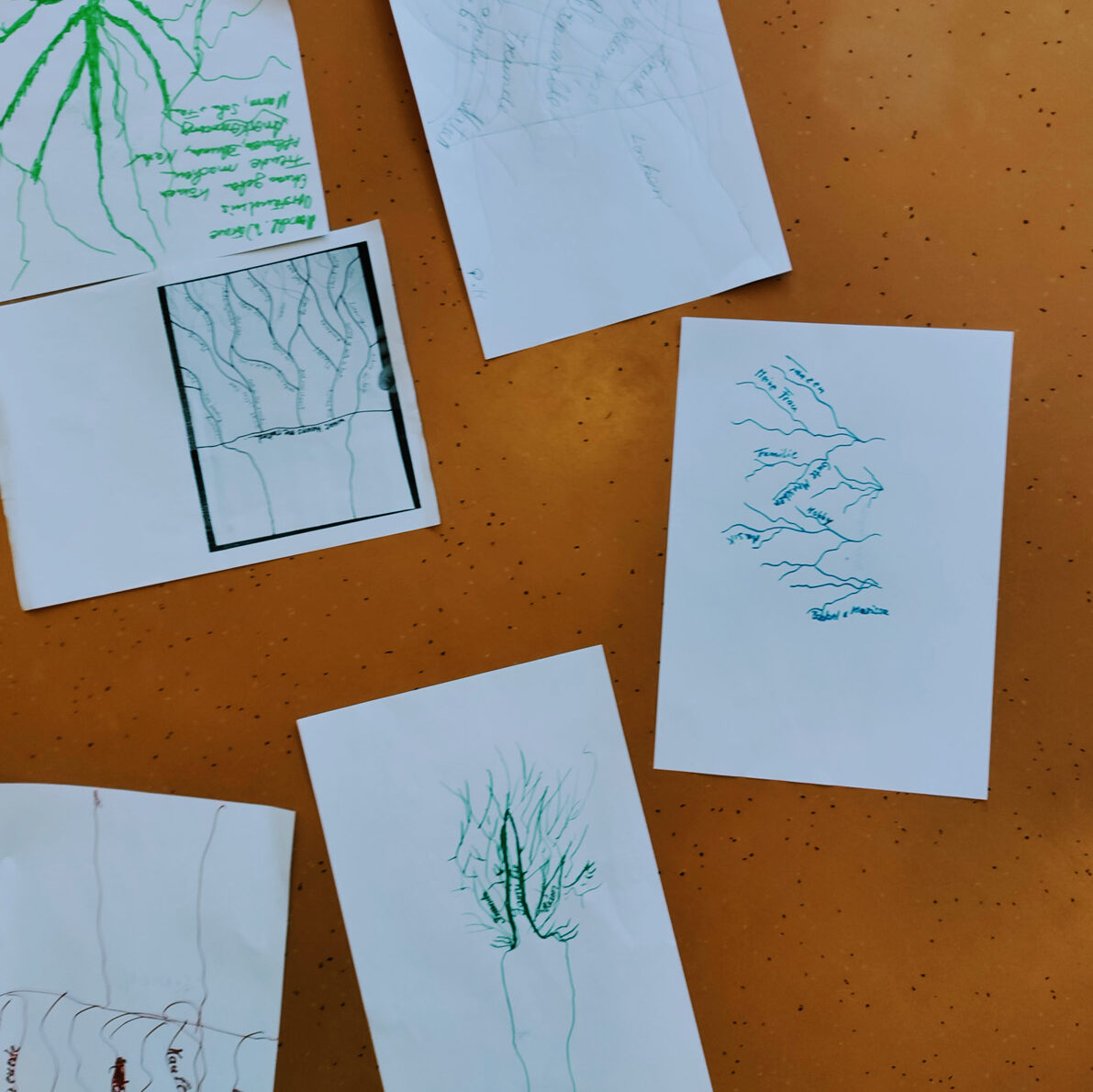
Creative Arts Therapies – supporting the activation of creative thinking and access to the wisdom of the body.
Mindfulness and Elements of Restorative Yoga – cultivating presence, embodied awareness and deep rest.
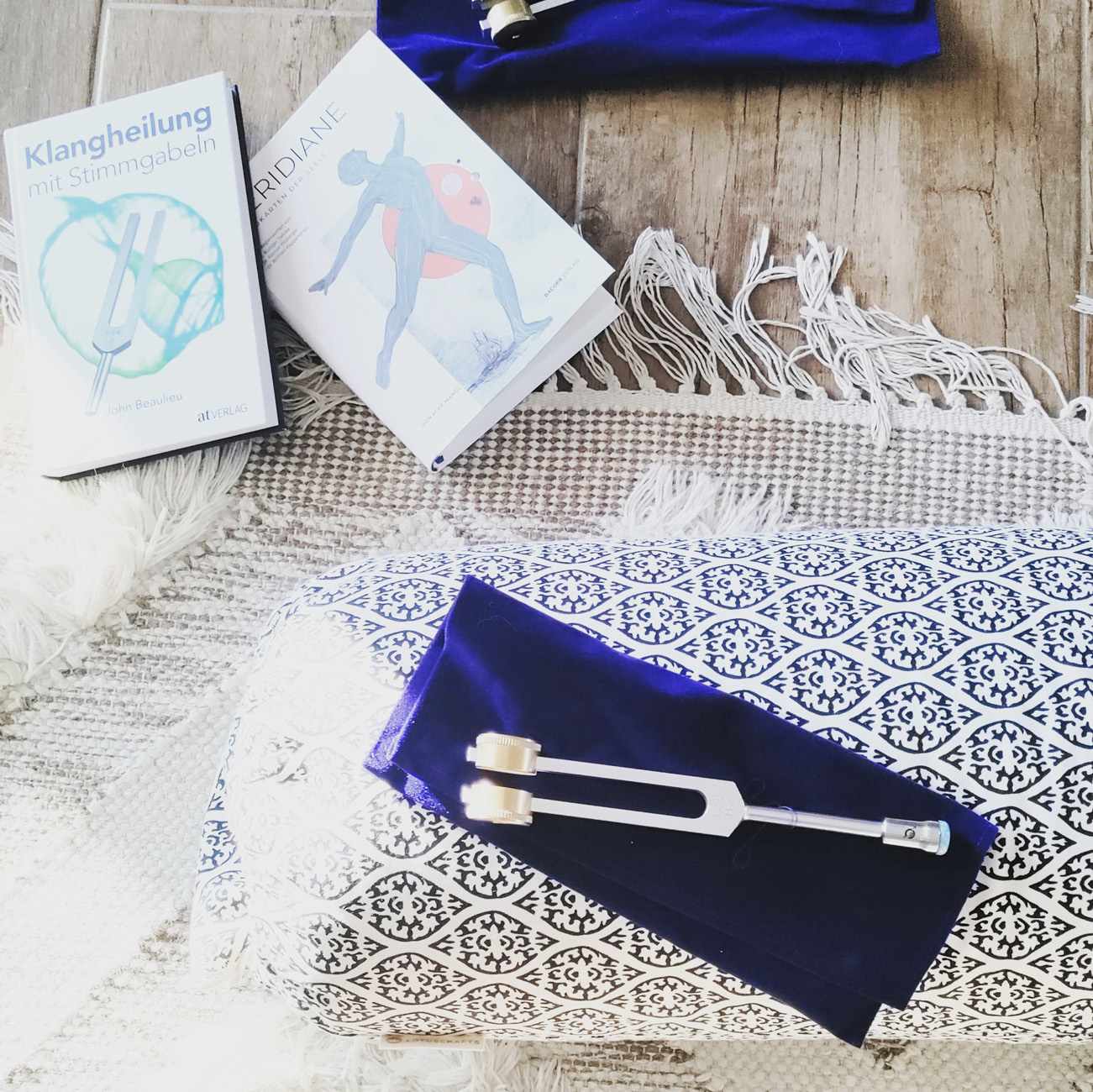
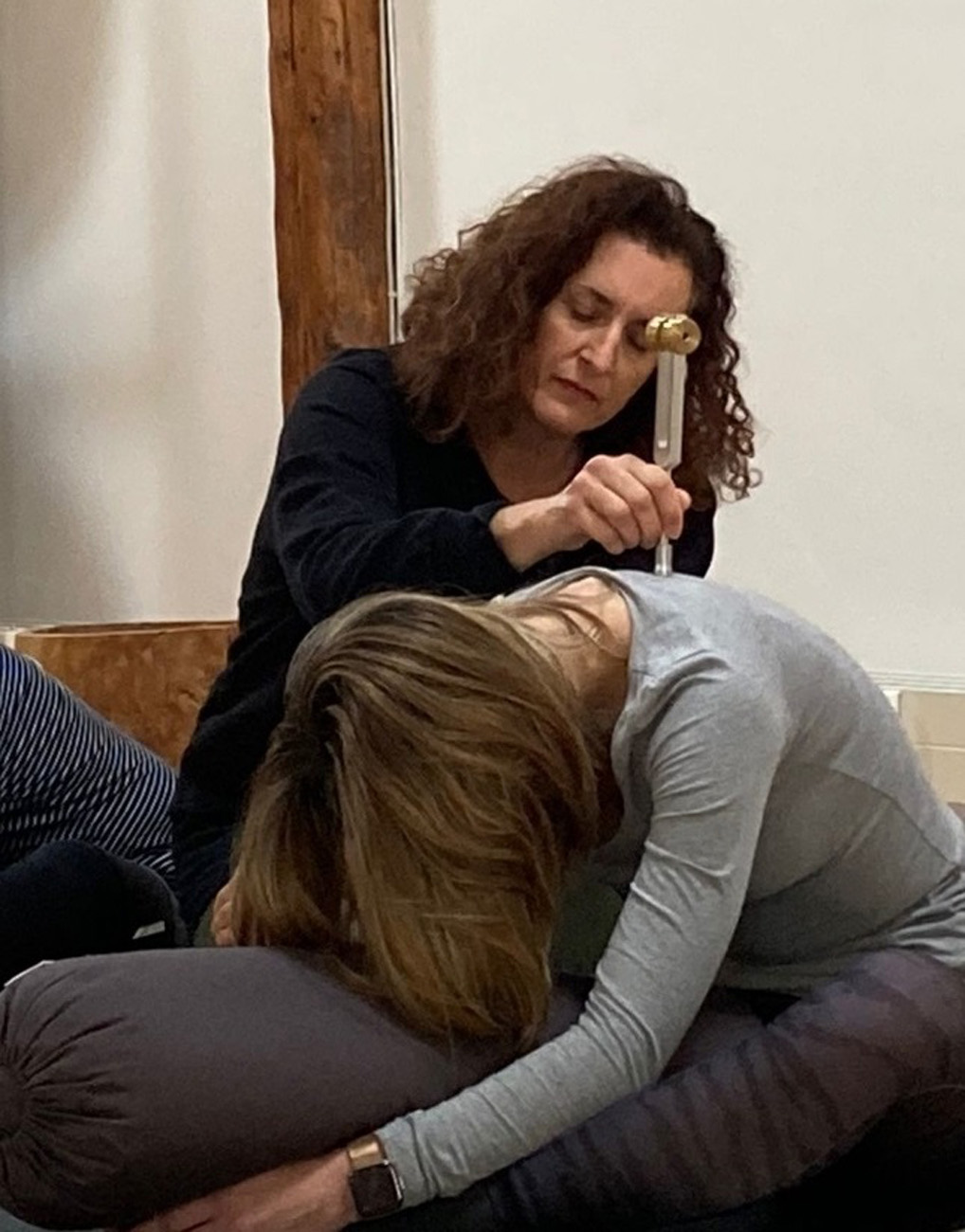
Tuning Fork Therapy – incorporating sound and vibration as part of the therapeutic process.
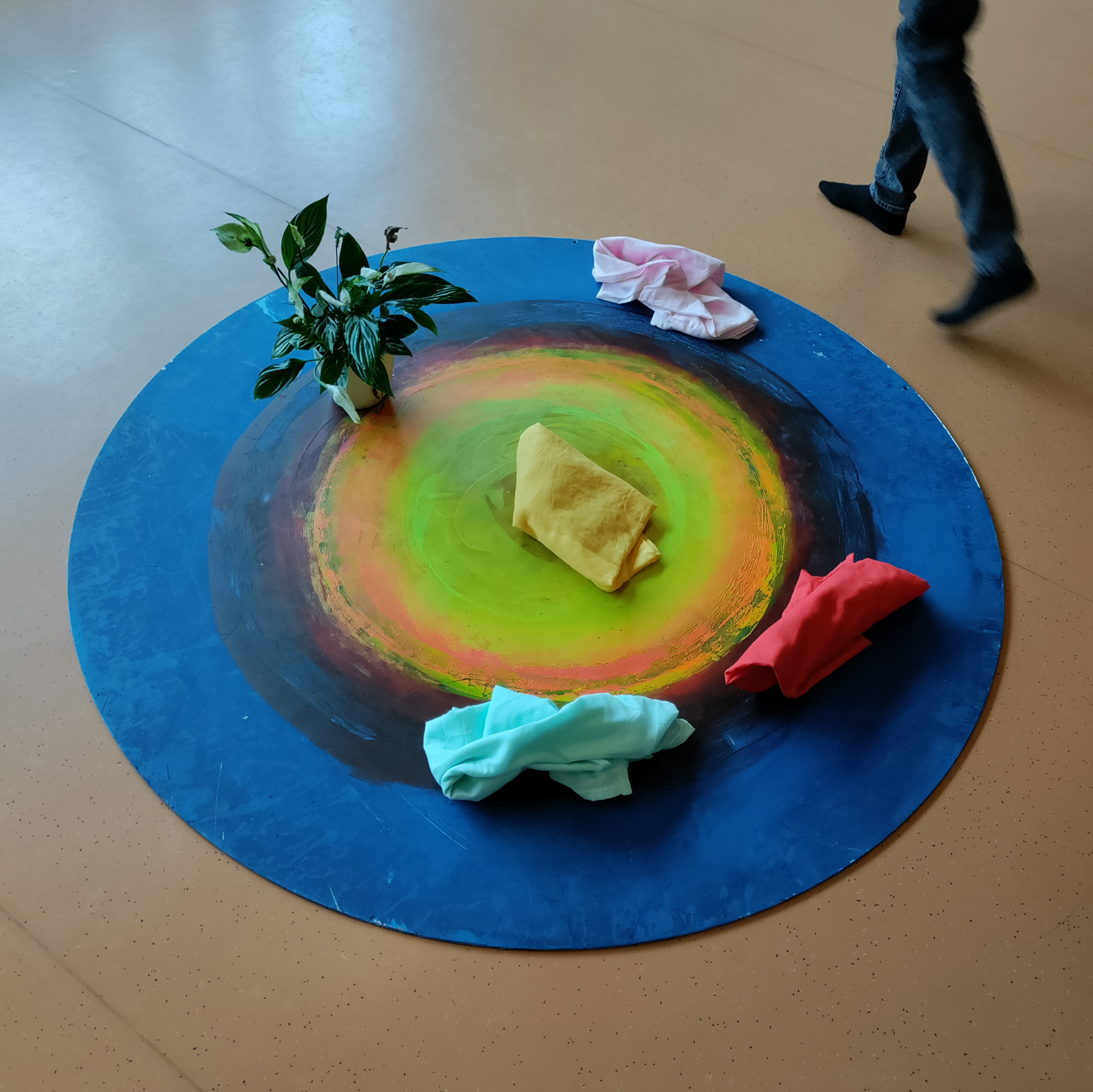
Nature-based interventions and Authentic Movement – exploring the relationship between body, movement, the natural environment and inner experience.
CLINICAL REFLECTION
Within this therapeutic environment, a central question continually emerges for me:
How can I hold such a broad and diverse spectrum of disorders within the ever-shifting dynamics of a group, while remaining grounded, emotionally available, and authentic in my own embodied experience?
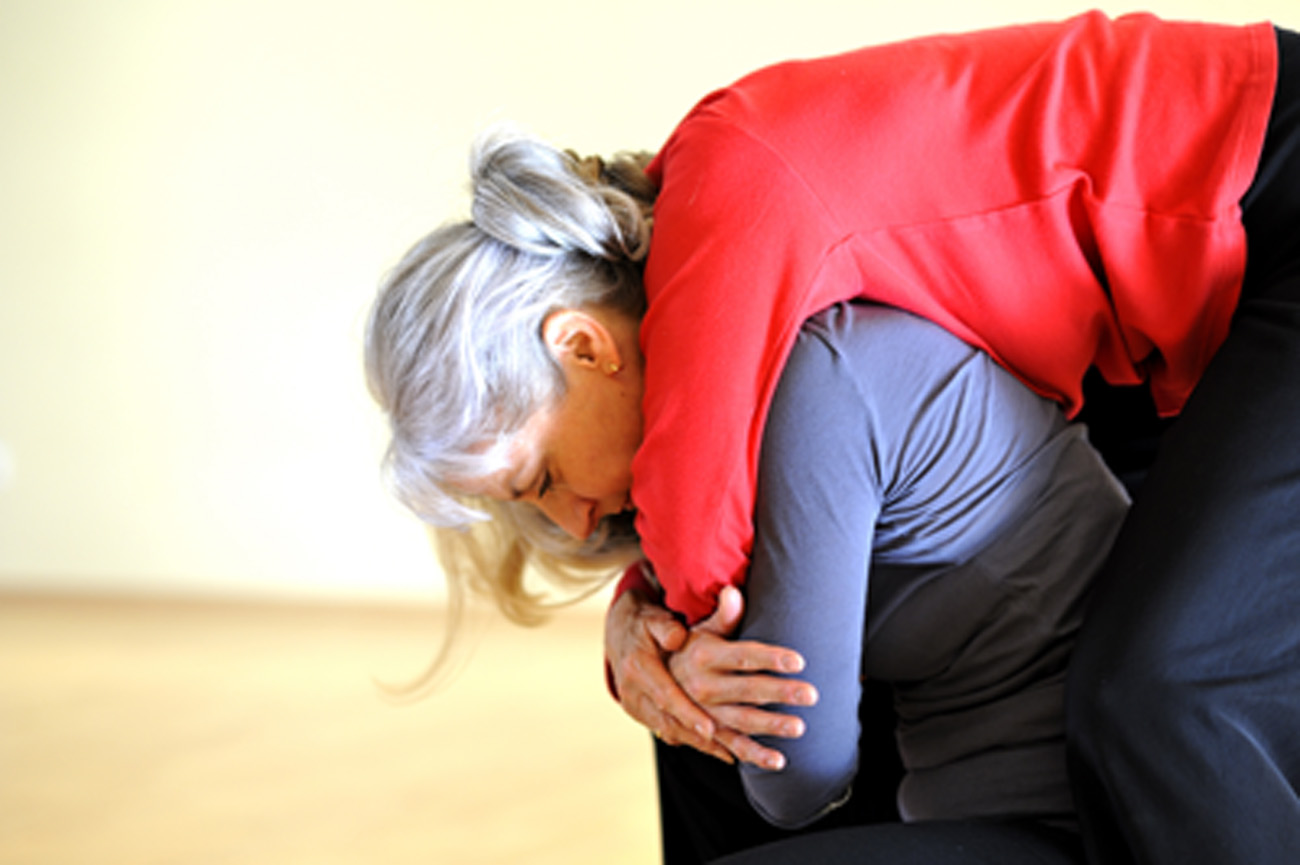
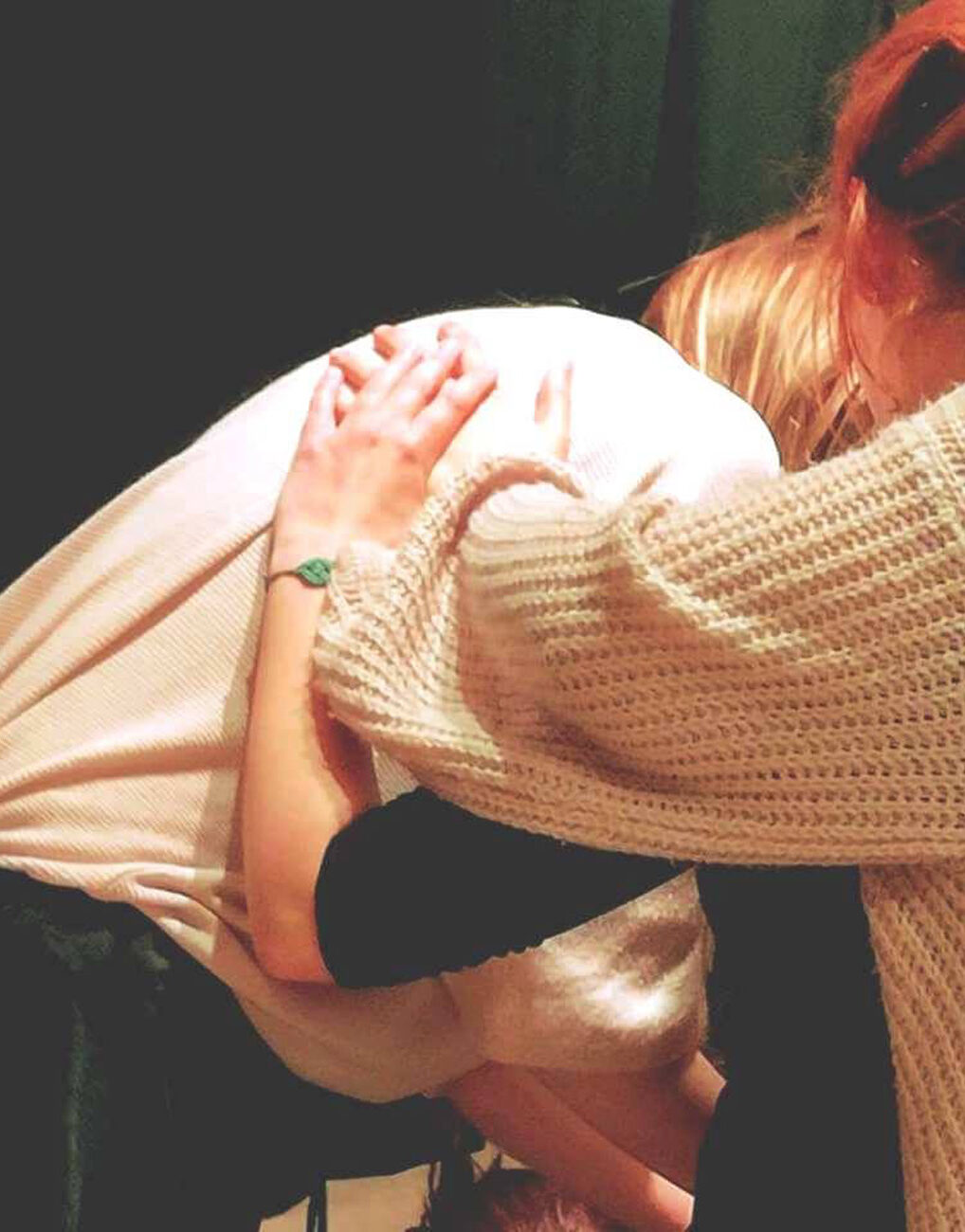
What offers a sense of safety and stability to one nervous system may be experienced as threatening or overwhelming by another. It is precisely at this point that co-regulation emerges as a living therapeutic process, especially when self-regulation is not yet accessible to the individual.
What we are called to cultivate, is the capacity for attunement and emotional resonance-the ability to recognise, respect, and move with the rhythm of the other. Perhaps this is the deepest essence of our work: to offer with consistency and continuity, a quality of presence, attention, and relational safety.
As Windy Wyman-McGinty (2006) points out:
“…in this way we can develop a sensitivity that allows often painful states of being to become more fully present both within ourselves and within our clients.”
PARTICIPANT REFLECTION
Dear Ms. Aroni,
…With your sense of humor, your graceful movements, and contagious joy for life, you have allowed my inner child to blossom once again. Through the use of tuning forks, you brought my body into perfect resonance, helping me unfold like a lotus flower.
You have reopened an important space for me—one with diverse forms of expression.
May you continue to enrich, touch, and inspire many more people with your valuable work… – R
PUBLICATIONS
Aroni, G. (2023) Tanztherapie in der Psychiatrie. Wir über uns, Magazin des St. Nikolaus Hospitals, Ausgabe Nr. 63, April 2023.
Aroni, G., Freiberg, A. ( 2019) Dance Therapy in Psychosomatic Medicine, Dialogues between Soul and Body. In L. Giotis, D. Maravelis, Α. Pantagoutsou & Ε. Giannouli (Eds). The Contribution of Arts Psychotherapies in Psychiatric Treatment.
Aroni, G. (2016) A continuing professional development model for the arts therapies in oncology.Approaches: An Interdisciplinary Journal of Music Therapy Special Issue,8(1) pp.63-67.